Hygienic Cable Glands
Hygienic Design Features
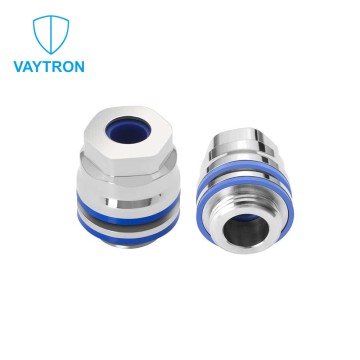
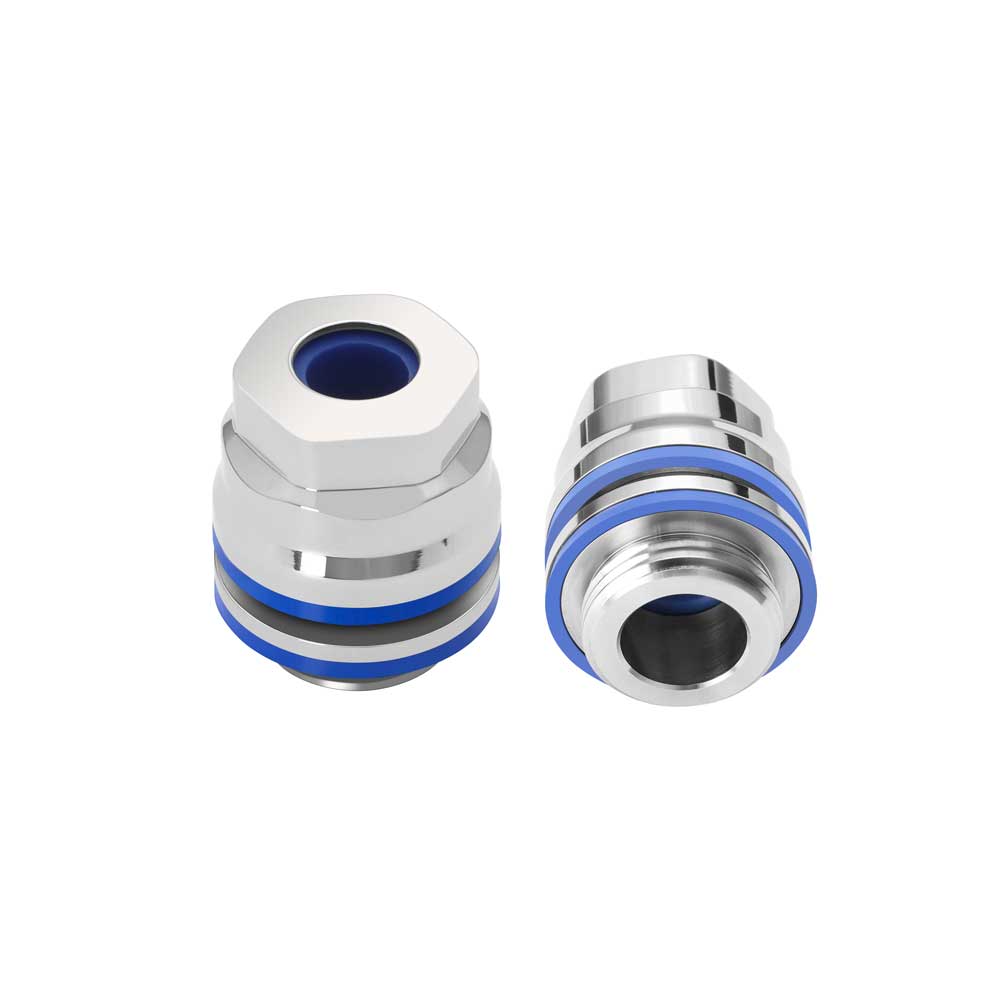
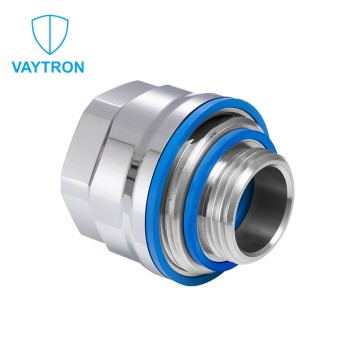
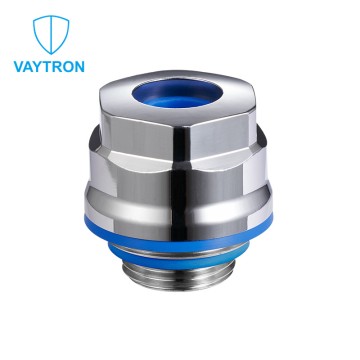
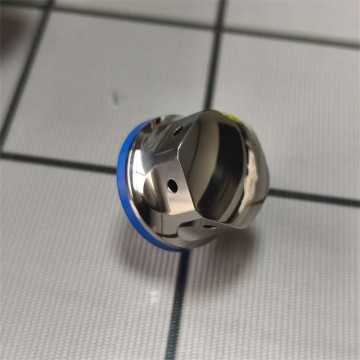
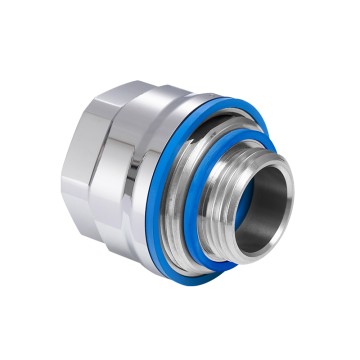
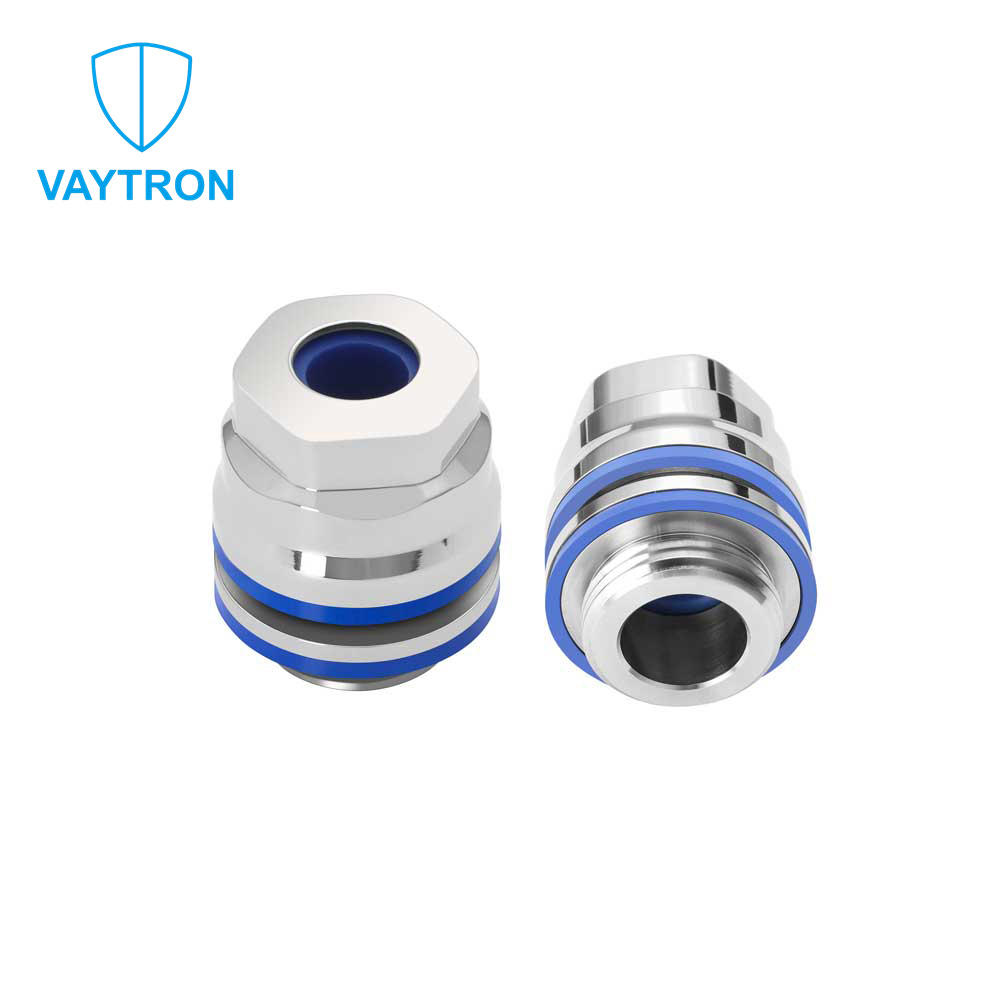
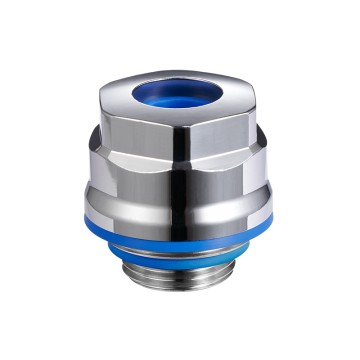
The 316L stainless steel body of this hygienic cable gland features smooth contours and rounded transitions to eliminate dead spaces, with all exposed surfaces finished to Ra < 0.4 µm. This allows water and cleaning solutions to carry away contaminants more easily during washdown, helping prevent contaminant adhesion, significantly improving cleaning efficiency, and reducing the risk of microbial contamination.
Its unique dual-layer sealing design helps maintain reliable sealing under demanding washdown conditions, with IP68/IP69K protection.
Seal Fit Optimized Through Finite Element Simulation
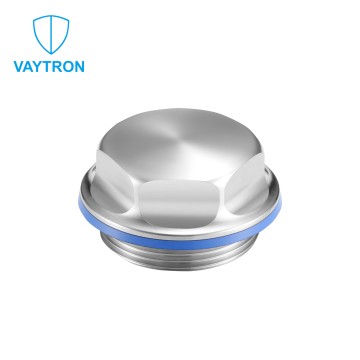
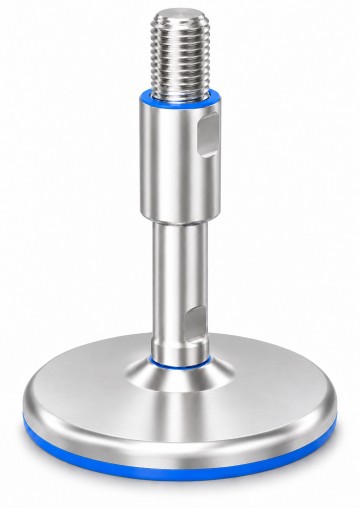
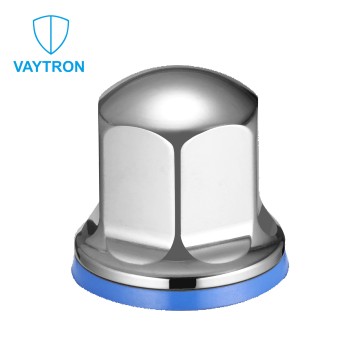
We combined simulations based on the finite element method (FEM) with practical engineering experience to refine the sealing ring’s thickness, diameter and dimensional tolerances. As the cable gland is tightened against the enclosure, the ring compresses and conforms to the stainless steel groove, closing the exposed gap at the mounting interface. This helps keep cleaning solution from collecting in the joint and reduces the risk of microbial contamination.
FDA-Compliant Rubber Seals
Selected HNBR and EPDM sealing rings are available with supplier declarations of conformity to U.S. FDA 21 CFR § 177.2600 for the specified rubber compounds. The regulation sets requirements for rubber articles intended for repeated food contact. Ask us to confirm the declaration and applicable conditions of use for your selected seal.
How to Choose the Right Hygienic Cable Gland
| Model | Key design feature | Choose it when |
|---|---|---|
| Type S | Standard body with separate cable and enclosure seals. | The cable entry is exposed to routine washdown and has room for a standard gland, as on food, beverage or pharmaceutical equipment. |
| Type N | Narrow body for limited mounting clearance. | Cable entries are closely spaced or the enclosure or machine panel has limited space. |
| Type E | Internal EMC contact for terminating the cable shield. | A shielded cable for a sensor, instrument, motor or variable-frequency drive needs EMC shielding at the enclosure entry. |
After choosing a model, match the mounting thread and check that the cable’s outside diameter falls within the sealing range for that size.
Materials and certifications
| Material | 316L stainless steel (1.4404) |
|---|---|
| Surface finish | Ra < 0.4 µm |
| Cable seal — Silicone | Blue · −60 °C to +200 °C · Hardness 80 −5 Shore A |
| Cable seal — EPDM | Blue · −40 °C to +120 °C · Hardness 80 −5 Shore A |
| Sealing ring — HNBR | Blue · −25 °C to +150 °C · Hardness 85 +5 Shore A |
| Sealing ring — EPDM | Blue · −40 °C to +120 °C · Hardness 85 ±5 Shore A |
| Thread sizes | M12×1.5 to M32×1.5 |
| Cable diameter range | 4.5 to 25 mm |
| Ingress protection | IP68 and IP69K |
| Certifications | 3-A Sanitary |
Typical Applications
VAYTRON VTCG hygienic cable glands are intended for exposed cable entries where reliable sealing and easy cleaning are important. Typical applications include:
- electrical enclosures on food processing and packaging machinery;
- sensor and actuator junction boxes on dairy and beverage filling lines;
- motor and drive housings on conveyors and product-handling systems in washdown areas;
- electrical enclosures on pharmaceutical, biotechnology and cleanroom equipment;
- compact machine assemblies with limited clearance around cable entries;
- shielded cable entries for instrumentation and control systems with EMC requirements.
FAQ
What is the difference between HNBR and EPDM seals?
HNBR: High mechanical strength and good resistance to oil, heat, wear, ozone, and ageing. Well suited to demanding sealing applications involving oils and lubricants.
EPDM: Excellent resistance to weathering, ozone, hot water, and steam, with good flexibility at low temperatures. Generally unsuitable for petroleum-based oils and fuels.
Based on our market observations, HNBR seals are common in food-processing equipment and EPDM seals in pharmaceutical equipment. For other applications, contact us to confirm the suitable material.
What is the difference between a hygienic cable gland and a conventional cable gland?
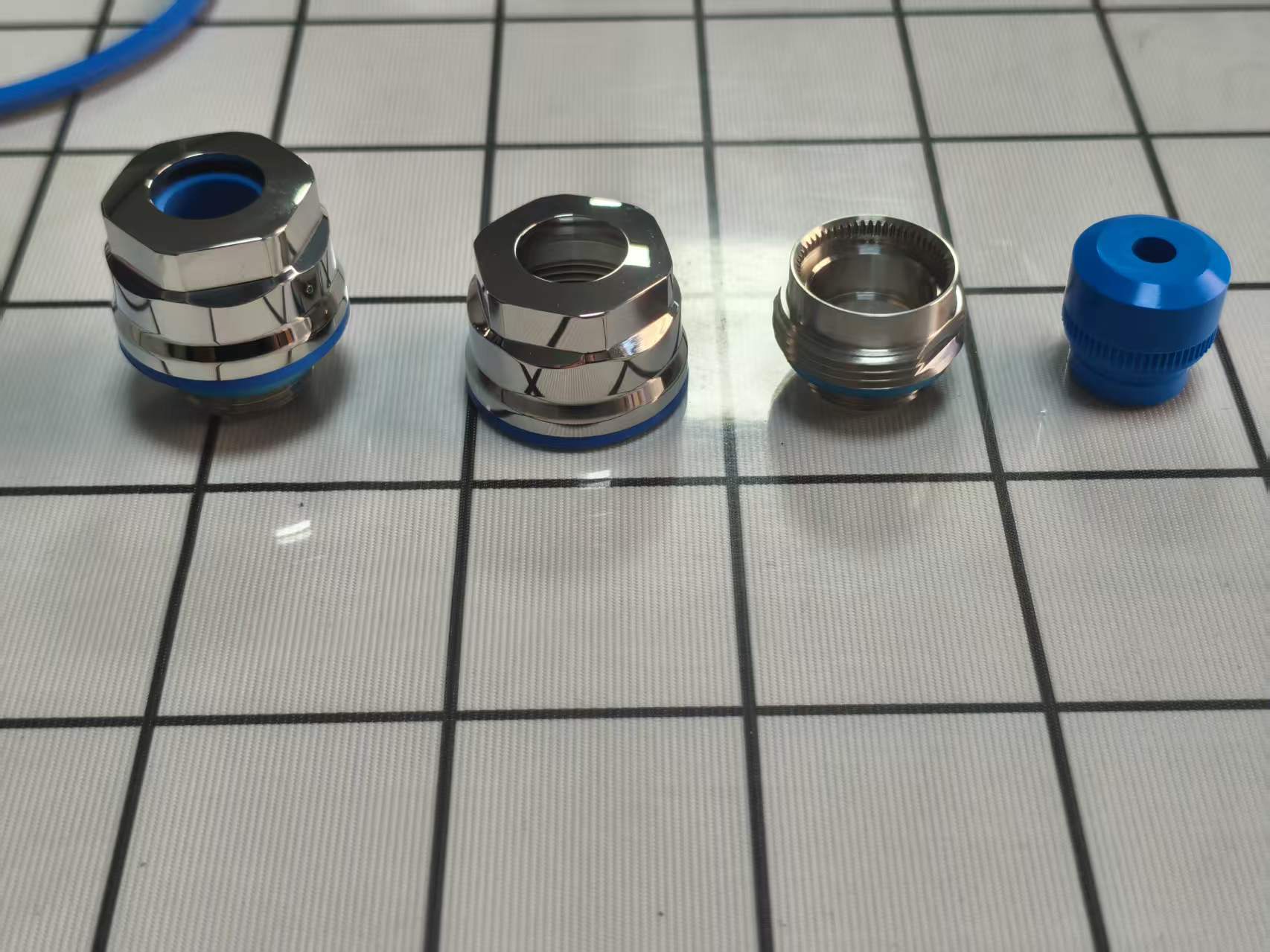
Exposed threads, sharp corners or gaps around a conventional cable gland can collect wash water and residue. VAYTRON hygienic cable glands have a smooth, rounded stainless steel body that is easy to rinse and inspect. One seal closes around the cable, while a separate ring seals the gland against the enclosure.