Hygienic Bolts
Hygienic Design Features
Smooth Head Profiles That Promote Drainage
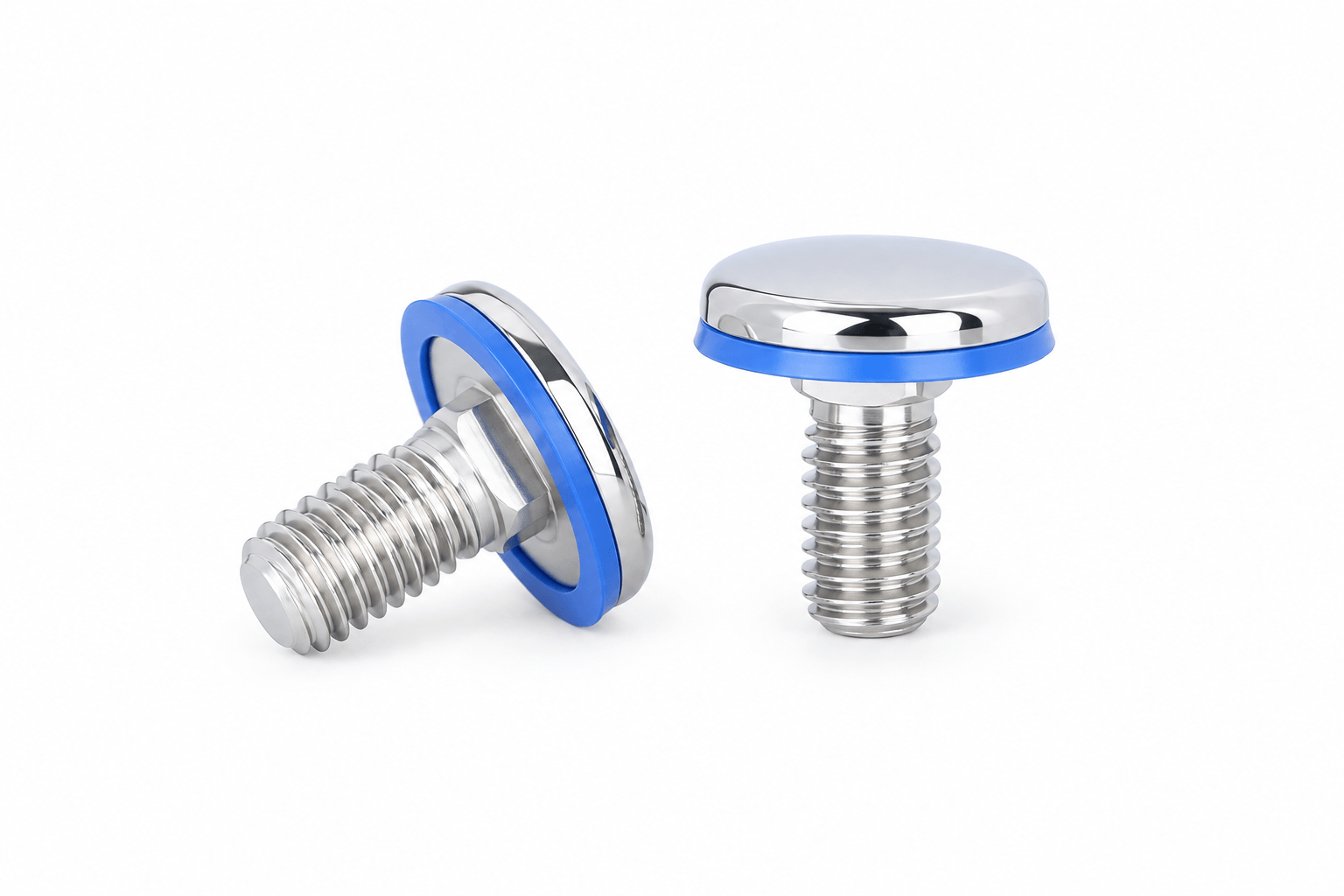
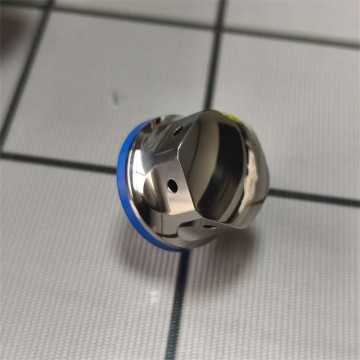
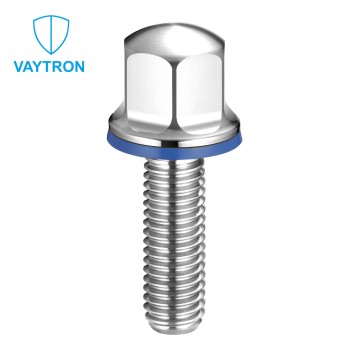
The 316L hygienic bolt features a head with smooth contours and rounded transitions to eliminate dead spaces. Its mirror-polished surface finish, with Ra < 0.4 µm, allows water and cleaning solutions to carry away contaminants more easily during washdown. This helps prevent contaminant adhesion, significantly improves cleaning efficiency, and reduces the risk of microbial contamination.
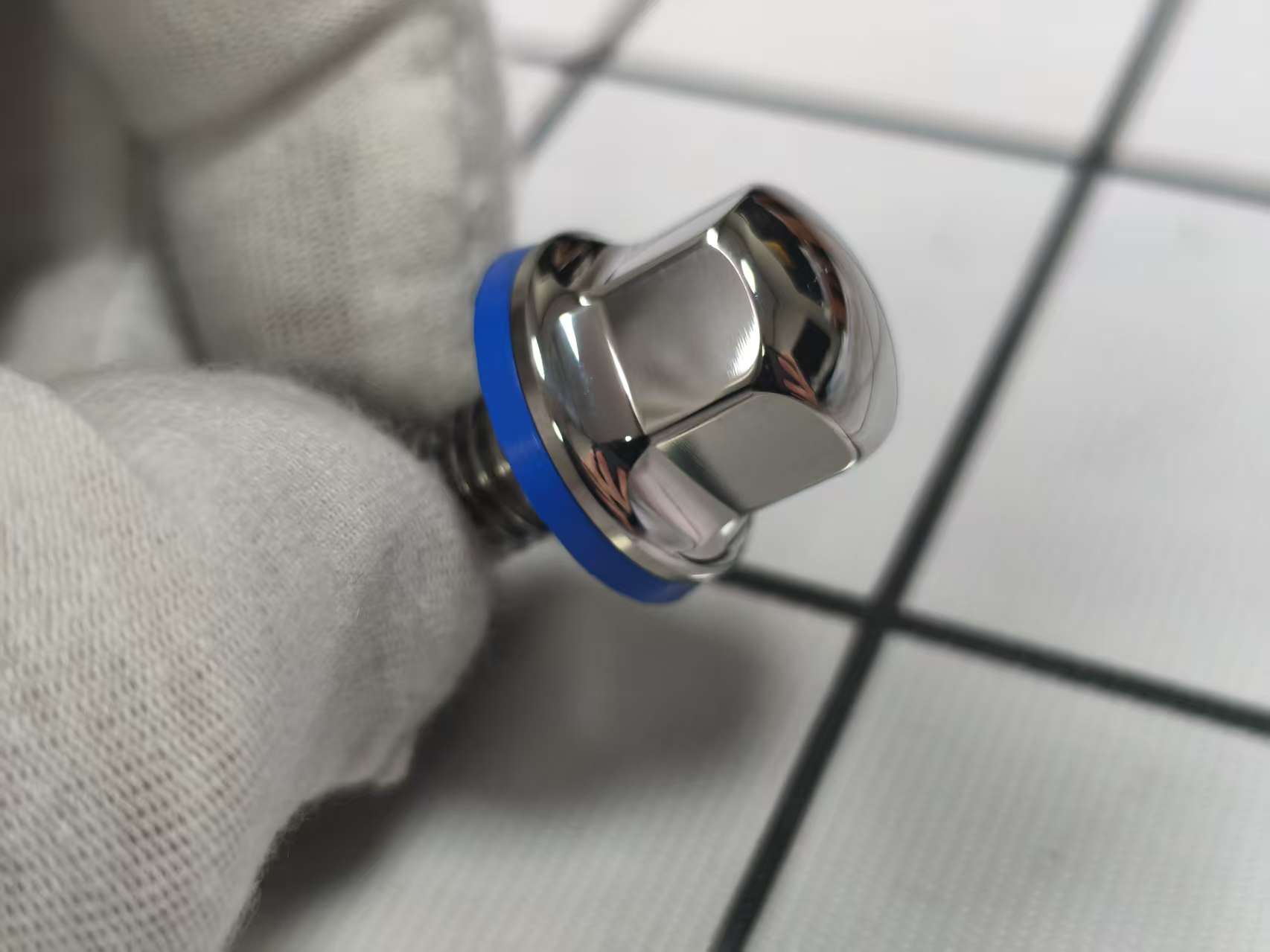
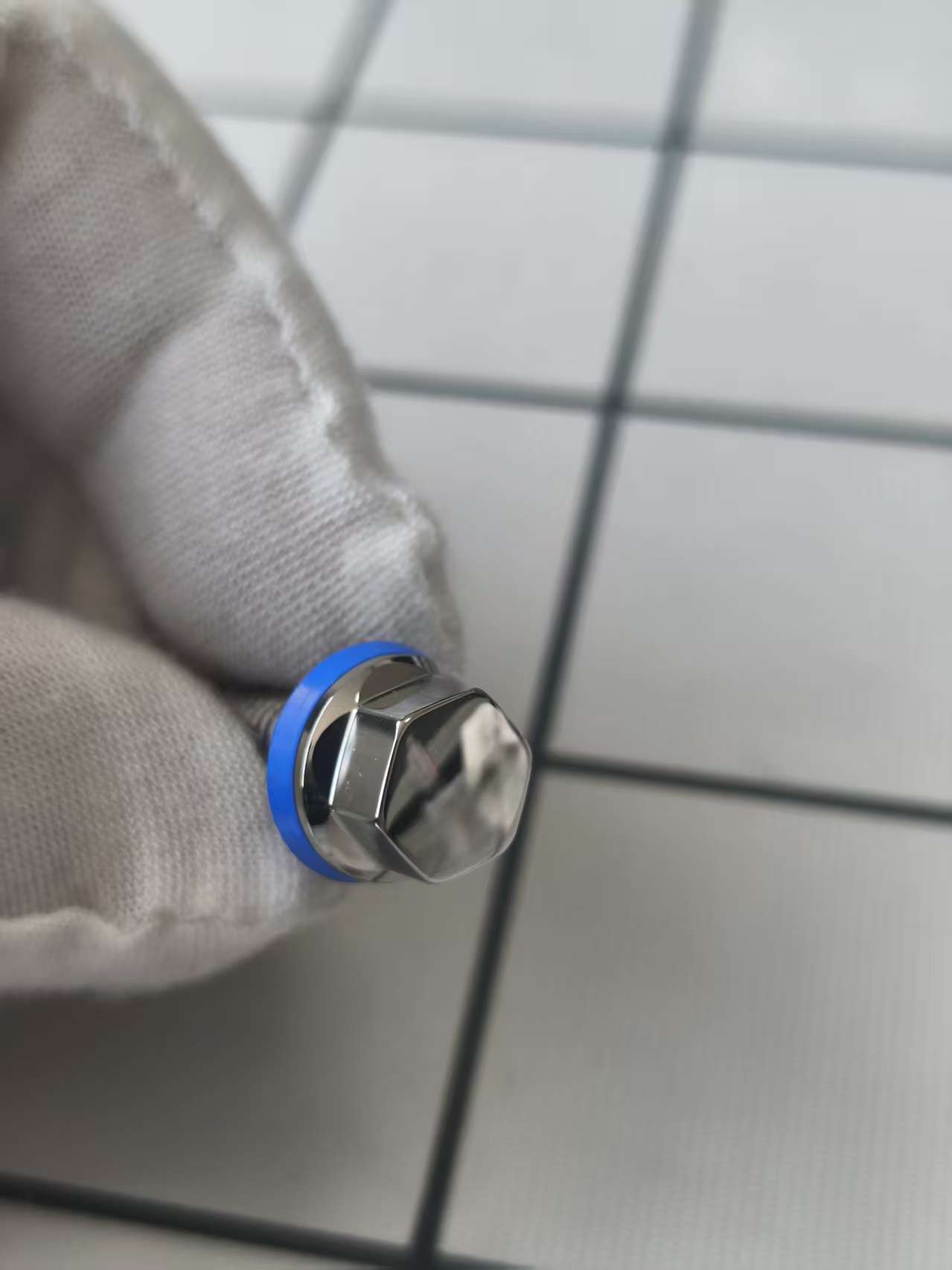
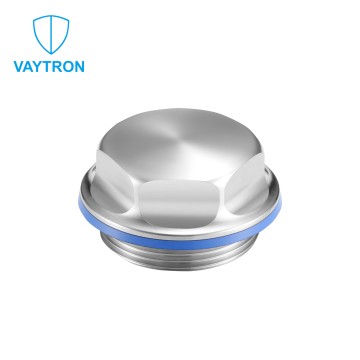
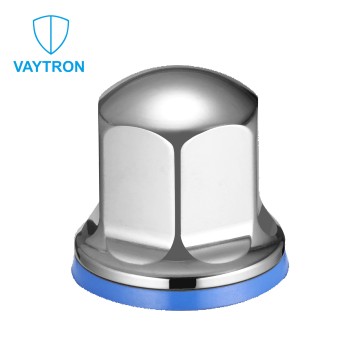
VAYTRON’s distinctive hex head features curved wrenching faces that allow water and cleaning solutions to drain freely even when one face is horizontal, helping prevent prolonged pooling and reduce the risk of microbial growth.
VAYTRON hygienic bolts are made from high-quality, cold-drawn 316L stainless steel and feature rolled threads. They offer excellent corrosion resistance and high mechanical strength.
Seal Fit Optimized Through Finite Element Simulation
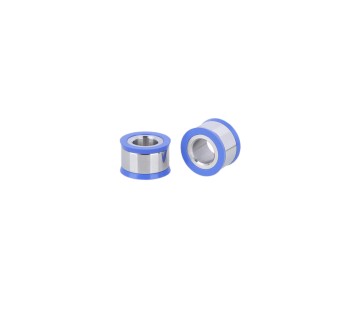
We combined simulations based on the finite element method (FEM) with practical engineering experience to refine the sealing ring’s thickness, diameter and dimensional tolerances. As the fastener is tightened, the ring compresses and conforms to the stainless steel groove, closing the exposed gap at the mounting interface. This helps keep cleaning solution from collecting in the joint and reduces the risk of microbial contamination.
All food-grade HNBR and EPDM raw rubber used in our seals comes from ARLANXEO. These seals are manufactured exclusively in a production area dedicated to food-grade rubber components to prevent cross-contamination with industrial-grade rubber. We control every stage, from receipt of raw materials through seal manufacture.
Single-Pass Turning of Hex Flats
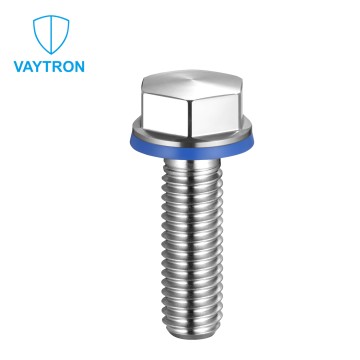
VAYTRON developed a turning process that forms the wrench flats on its hex-head fasteners in a single pass. The process keeps the hex profile precisely centered on the fastener axis while controlling burrs and machining marks along the edges of the flats. The wrench seats securely against the flats during tightening, distributing the load more evenly across the contact faces and reducing the risk of scratching the bolt head.
How to Choose the Right Hygienic Bolt
| Model | Choose it when | Key design feature |
|---|---|---|
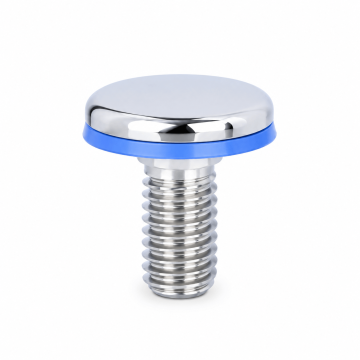
| VTS28 | The fastening point is exposed to direct washdown. | A pronounced domed head helps wash water run off. |
| VTS29 | Clearance above the bolt head is limited. | The slightly domed hexagon head projects less above the mounting surface than the VTS28 head. |
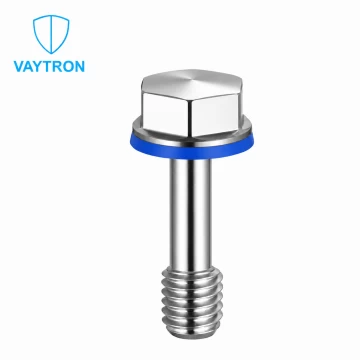
| VTS30 | The screw needs to stay with a removable cover or access panel during cleaning or maintenance. | A reduced shank and short threaded tip allow the screw to stay captive in a compatible panel hole or with a suitable retainer. |
| VTS31 | The panel, cover or bracket has a square mounting hole. | The square neck beneath the round head engages the hole and helps prevent the bolt from turning as the nut is tightened. |
Mirror-Polished or Natural Finish?
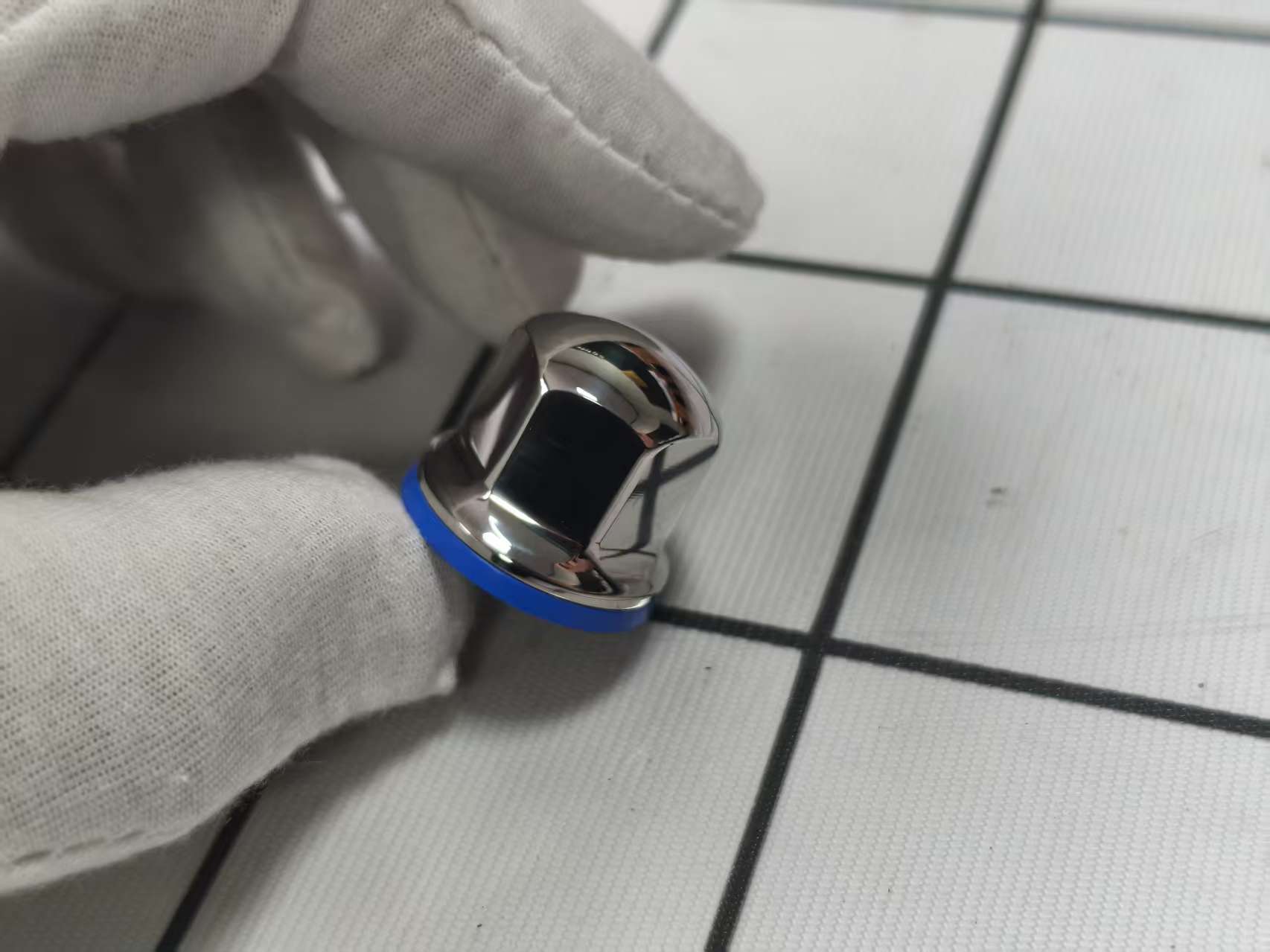
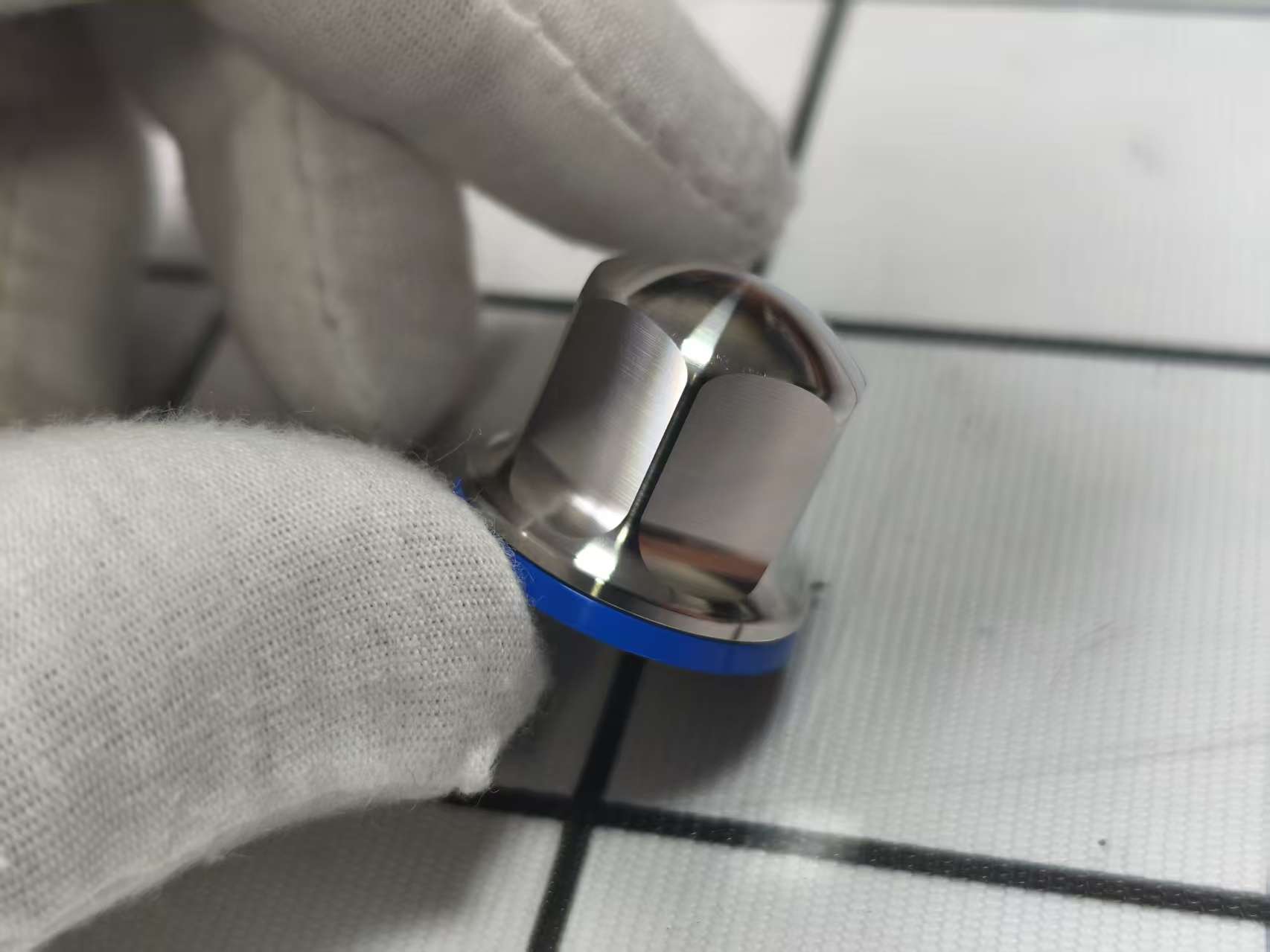
In our conversations with food and pharmaceutical equipment manufacturers, customers often tell us that they want visible fasteners to match the overall finish of the machine. For a polished stainless steel housing, they typically choose mirror-polished hygienic bolts to match the gloss. For a brushed or satin stainless steel housing, they tend to choose the natural finish, which has a softer sheen and blends in with the surrounding surface.
| Mirror-polished finish | Natural finish |
|---|---|
| Ra < 0.4 μm | Ra < 0.8 μm |
 |
 |
Materials and certifications
- Bolt body
- AISI 316L stainless steel / EN 1.4404
- Surface finish
- Natural finish (Ra < 0.8 µm) or Polished finish (Ra < 0.4 μm)
- HNBR seals
- Blue, 85 ±5 Shore A · −25 °C to +150 °C
- EPDM seals
- Blue, 85 ±5 Shore A · −40 °C to +120 °C
- 3-A certification
- VTS28, VTS29, VTS30 and VTS31 are 3-A certified.
- IP69K certification
- IP69K certified.
- FDA compliance
- The rubber sealing elements comply with the requirements of U.S. FDA 21 CFR §177.2600.
Metal-to-Metal and Seal-Free Options
If the cleaning process is incompatible with elastomer seals, ask about an alternative configuration for the selected model.
Metal-to-metal sealing: Requires a precisely finished mating surface, Ra < 0.8 µm, and a suitable joint design.
Without a seal: For applications where sealing is not required; this version does not provide the same sealed mounting interface.
Typical Applications
VAYTRON stainless steel hygienic bolts are intended for exposed fastening points where cleanability, washdown access and visual inspection are important. Typical applications include:
- food processing and packaging machinery;
- dairy and beverage filling equipment;
- pharmaceutical and biotechnology equipment;
- guards, covers, frames and stainless steel panels;
- conveyor and product-handling systems;
- motors, gearboxes and compact drive assemblies;
- equipment exposed to routine washdown or CIP/SIP cleaning.
FAQ
What is the difference between HNBR and EPDM seals?
HNBR: High mechanical strength and good resistance to oil, heat, wear, ozone, and ageing. Well suited to demanding sealing applications involving oils and lubricants.
EPDM: Excellent resistance to weathering, ozone, hot water, and steam, with good flexibility at low temperatures. Generally unsuitable for petroleum-based oils and fuels.
Based on our market observations, HNBR seals are common in food-processing equipment and EPDM seals in pharmaceutical equipment. For other applications, contact us to confirm the suitable material.
What is the difference between a hygienic bolt and a conventional bolt?
A recessed drive or an unsealed gap beneath a conventional bolt head can trap wash water and residue. VAYTRON hygienic bolts have a smooth, exposed head that is easy to rinse and inspect. On versions with a sealing ring, tightening the bolt compresses the ring against the mounting surface, helping seal the gap beneath the head.
What FDA requirements do VAYTRON’s rubber seals meet?
The HNBR and EPDM rubber sealing materials used in VAYTRON hygienic bolts comply with the applicable requirements of U.S. FDA 21 CFR § 177.2600 for rubber articles intended for repeated contact with food. The regulation sets requirements for rubber formulation and specifies limits on total extractives from finished rubber articles intended for repeated contact with aqueous or fatty foods.