
Engineering Excellence in Hygienic Design
In high-care food processing and pharmaceutical environments, the difference between compliance and contamination often lies in the smallest details of machine construction. At Vaytron, we believe that standard industrial components are no longer sufficient for modern safety requirements.
Our Technical Insights hub is a dedicated resource for engineers and quality managers seeking to optimize their equipment for maximum hygiene and CIP (Clean-in-Place) efficiency. Here, we move beyond the industry-standard Ra 0.8 surface roughness to explore the superior cleanability of our Ra 0.5 lathe-machined surfaces.
From deep dives into EHEDG and 3-A sanitary standards to material science comparisons between HNBR and EPDM seals, these guides are designed to help you eliminate dead spaces and prevent biofilm growth. Whether you are designing for dairy, meat, or aseptic liquid processing, our insights provide the technical foundation for choosing 316L stainless steel components that withstand the rigors of high-pressure washdowns and aggressive chemical sterilization.
What is Surface Roughness Ra? Definition, Measurement & Chart
If you’ve ever run your hand over a piece of machined metal, you know that some surfaces feel silky smooth, while others feel slightly rough or textured.
Protect Your Brand. Upgrade Your Hardware: Why Low-Grade Hardware Leads to Expensive Batch Recalls
In the high-stakes world of food, beverage, and pharmaceutical manufacturing, equipment failure is rarely just a mechanical issue—it is a financial and reputational one. While procurement teams often focus on the upfront unit price of fasteners, specialists know that the real expense lies in the Total Cost of Ownership (TCO). Choosing low-grade hardware over certified hygienic design components is a high-risk gamble that often ends in the most dreaded scenario in the industry: a full-scale batch recall.
Preventing Sealing Ring Deformation: High-Torque Tightening Without Compromising Hygiene
In hygienic engineering, the goal is simple but demanding: create a connection so tight that no bacteria can penetrate, while keeping the seal so "comfortable" that it never loses its shape.
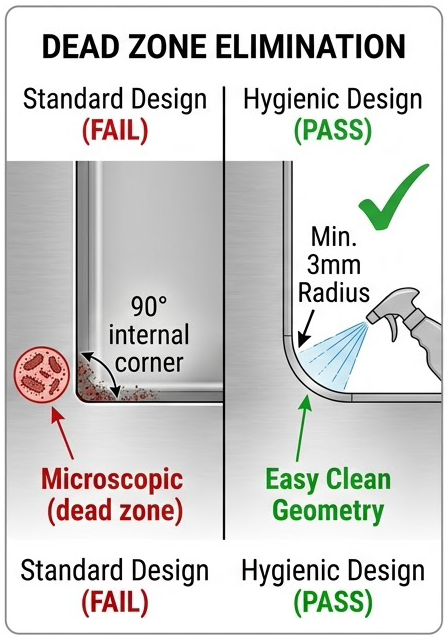
Eliminating Dead Zones: How Hygienic Component Geometry Redefines Cleaning Cycles
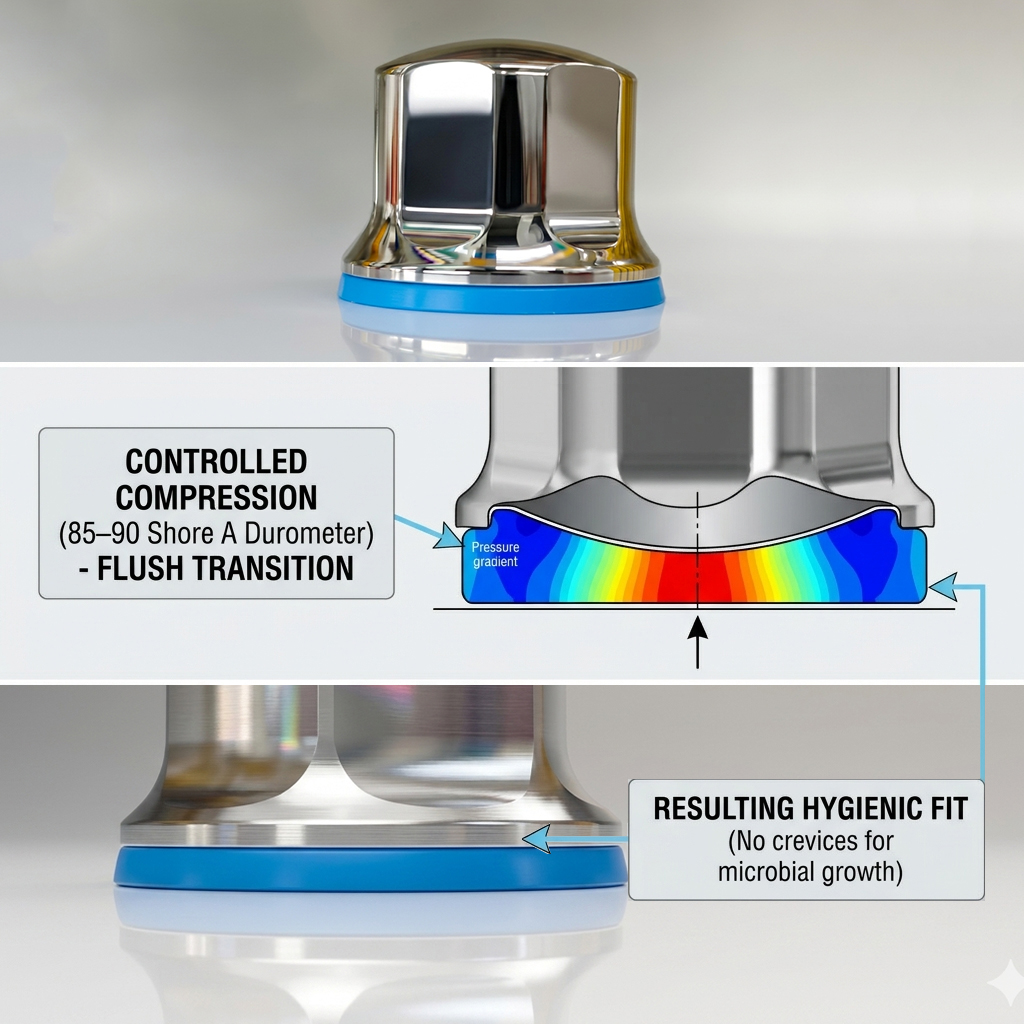
FDA-Compliant Sealing: Why Blue Color 85–90 Shore A Hardness
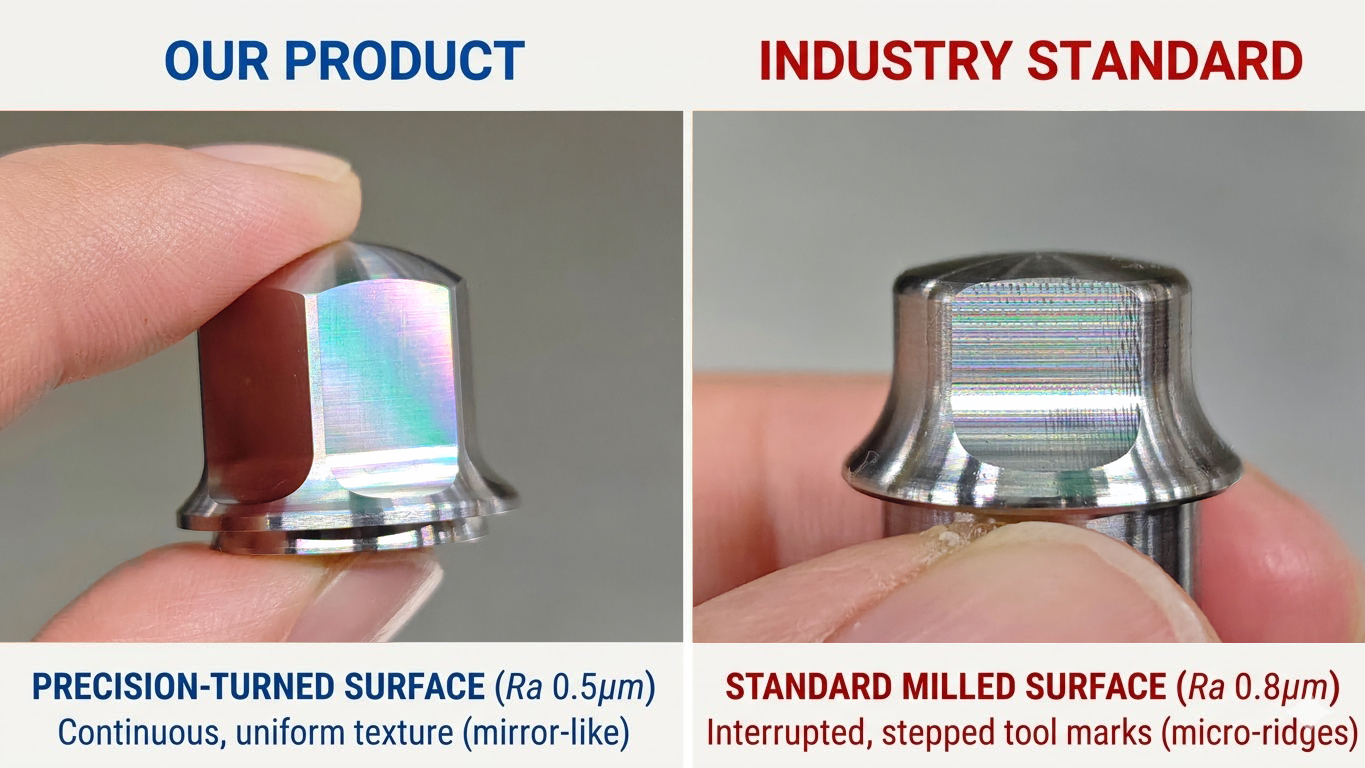
Precision Turned vs. Milled: Why Ra 0.5 μm Matters for Hygienic Nuts
Why "Stainless" Isn't Enough: What EHEDG and 3-A Standards Actually Teach Us
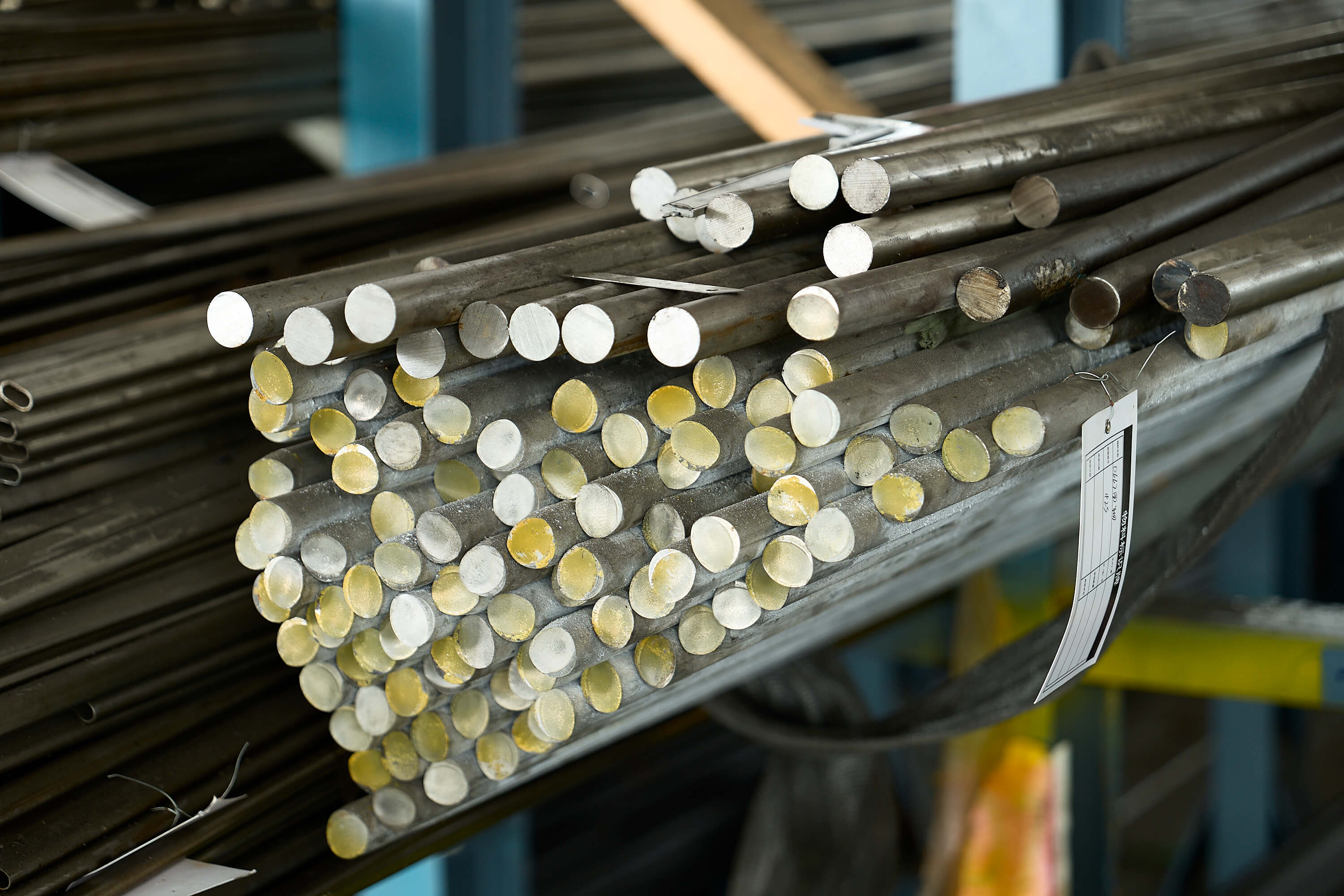
304 vs. 316L: The "Hidden Cost" of Choosing the Wrong Stainless Steel
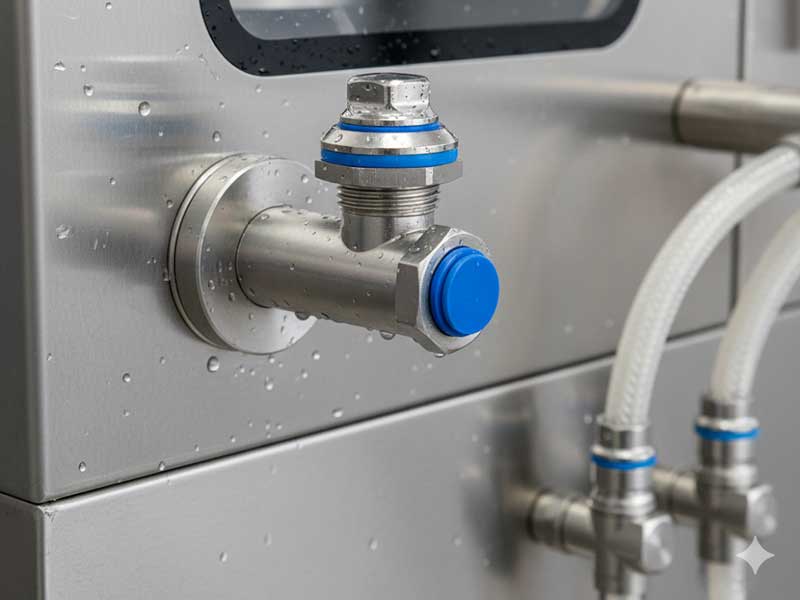
Application and development of hygienic design products in food processing and pharmaceutical machinery and equipment
In modern industry, the application areas of hygienic design products are constantly expanding, especially in food processing and pharmaceutical machinery and equipment, where the importance of hygienic design is becoming increasingly prominent.
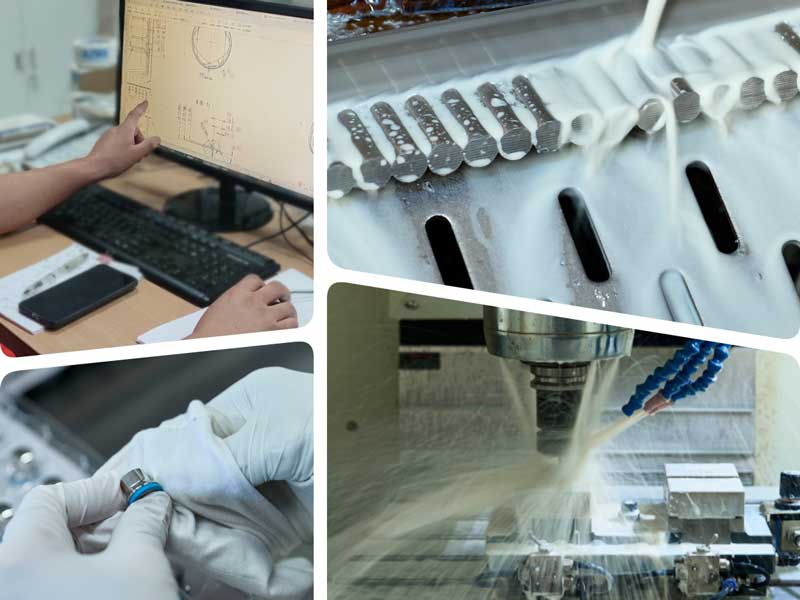
The Development Trajectory of Hygienic Design Products and In-Depth Customization Services
In today's industrial landscape, the demand for hygienic design products is growing, particularly in the pharmaceutical, medical, and food industries. The origins of hygienic design can be traced back to stringent requirements for product safety and hygiene standards.