Besides the raw material, what else determines the strength grade of a stainless steel bolt?
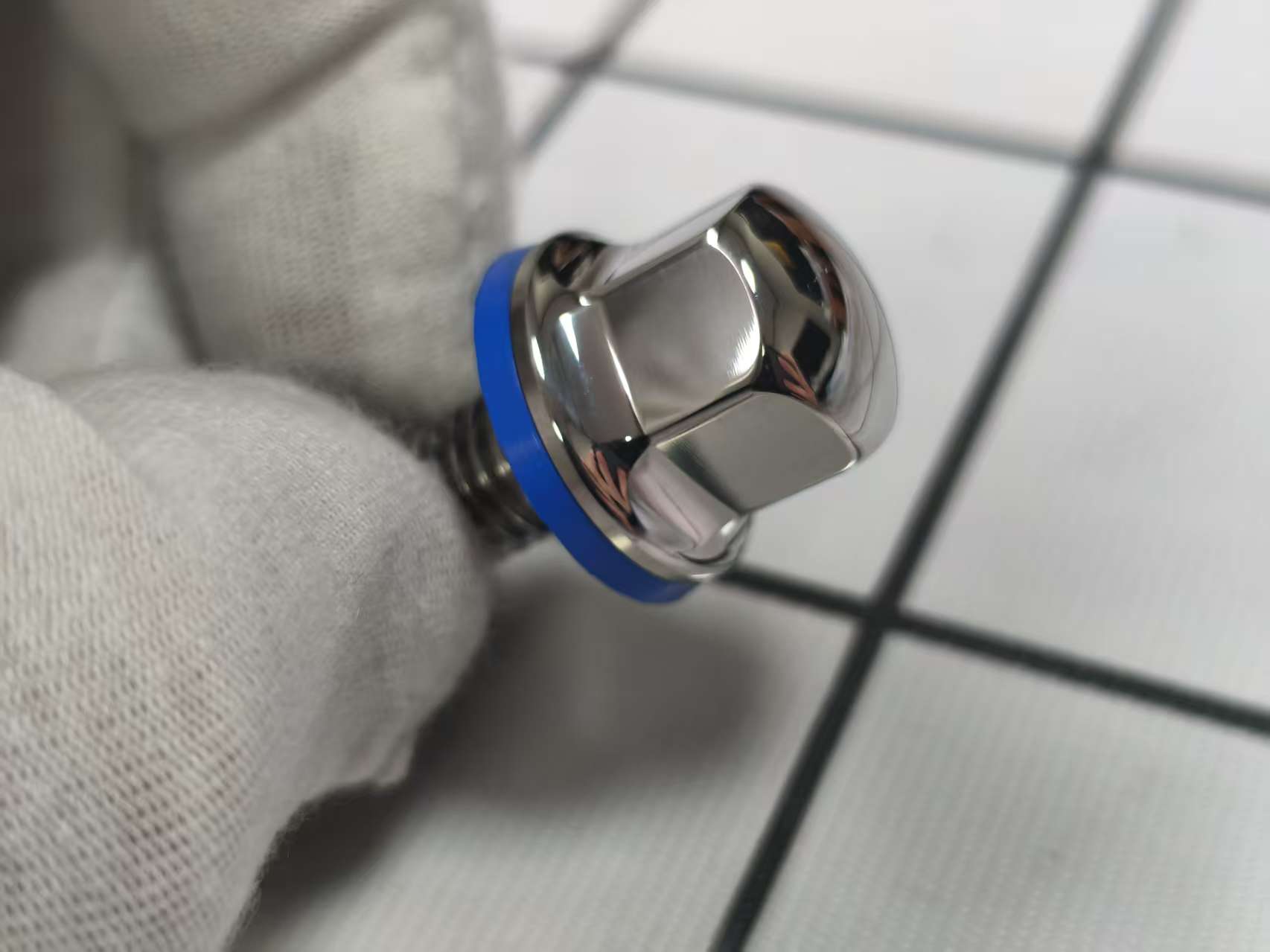
A stainless steel bolt’s strength depends on both the material and how it is made.
When 316L stainless steel is permanently stretched or reshaped at room temperature, it becomes harder and stronger. This is called work hardening.
Two manufacturing steps make use of this effect:
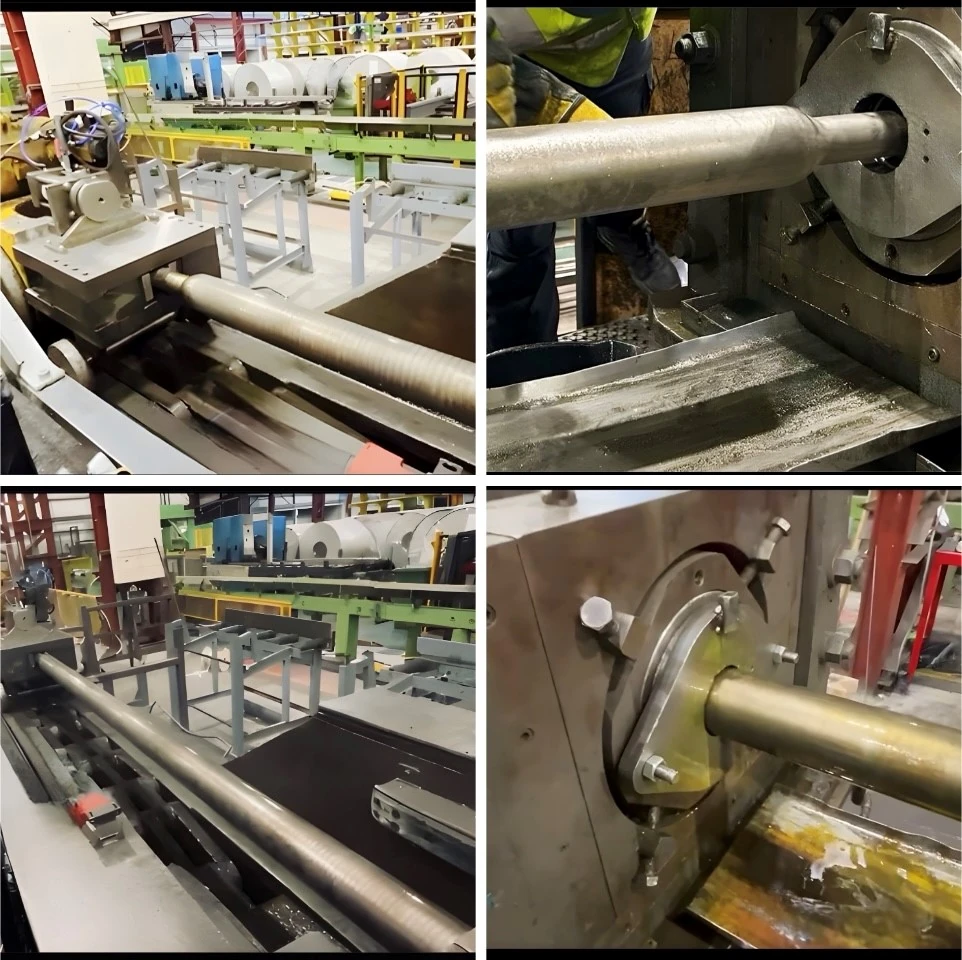
Cold drawing
The raw material is pulled through a die to reduce its diameter. This process also increases its strength before the bolt is machined.
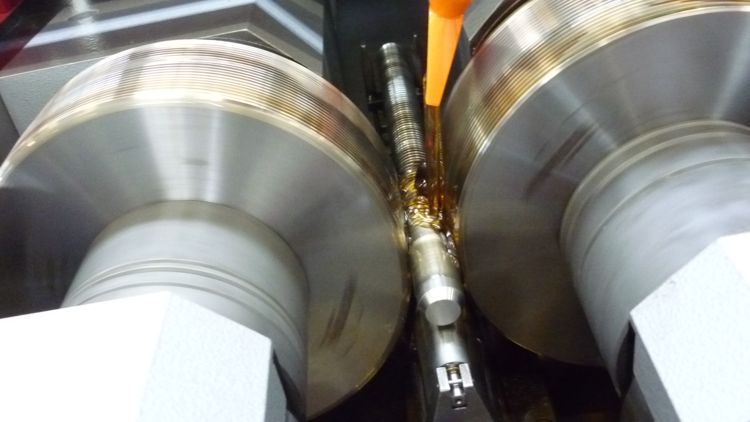
Thread rolling
Rolling dies press the metal into the thread shape, adding further hardening in the threaded area.
Most hygienic bolts currently on the market lack a clearly specified strength grade.
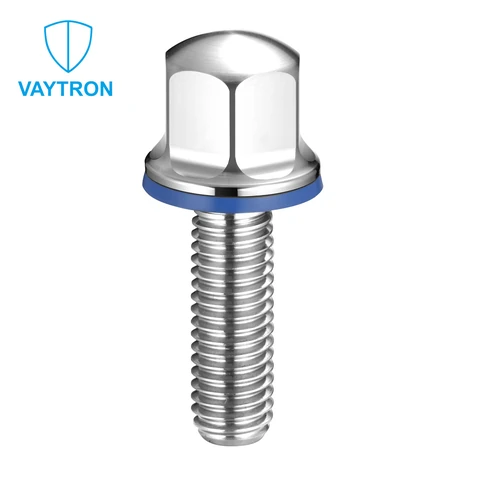
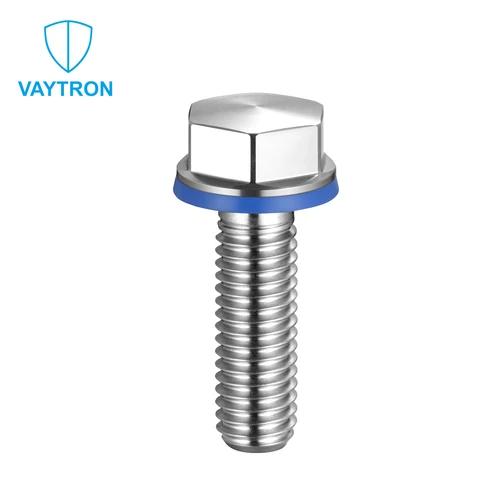
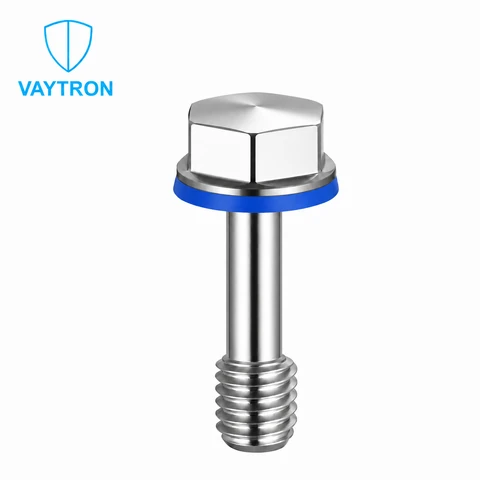
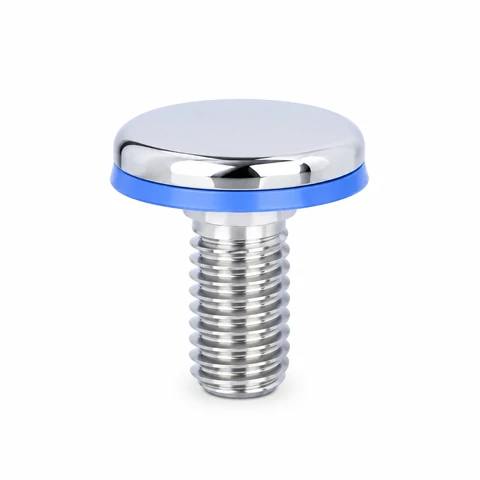
VAYTRON hygienic bolts M4–M10 are rated A4-80, M12–M16 are rated A4-70 and manufactured from cold-drawn stainless steel with rolled threads.
With the right material and controlled processing, these steps can help produce bolts that meet A4-80 requirements.
A4 identifies the stainless steel grade. The “80” means a minimum tensile strength of 800 MPa at room temperature.
The finished fastener must still meet the required mechanical properties—confirmed through testing.