Eliminating Dead Zones: How Hygienic Component Geometry Redefines Cleaning Cycles
In the high-stakes world of food processing and pharmaceuticals, the difference between a successful batch and a costly recall often lies in the microscopic details. For years, the industry has focused on material grades—standardizing on 304 or 316L stainless steel—as the primary defense against contamination. However, as any plant manager will tell you, even the highest-grade steel is useless if the geometry of the part allows bacteria to hide.
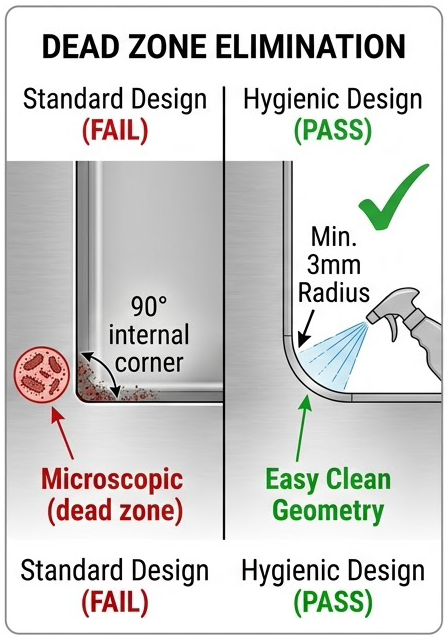
This brings us to the concept of "Dead Zones": areas within a machine’s assembly where product residue can accumulate, sheltered from the mechanical force and chemical action of Cleaning-in-Place (CIP) or manual washdowns. By rethinking component geometry, we aren't just making parts "cleaner"—we are fundamentally redefining the efficiency of the cleaning cycle.
The Anatomy of a Dead Zone
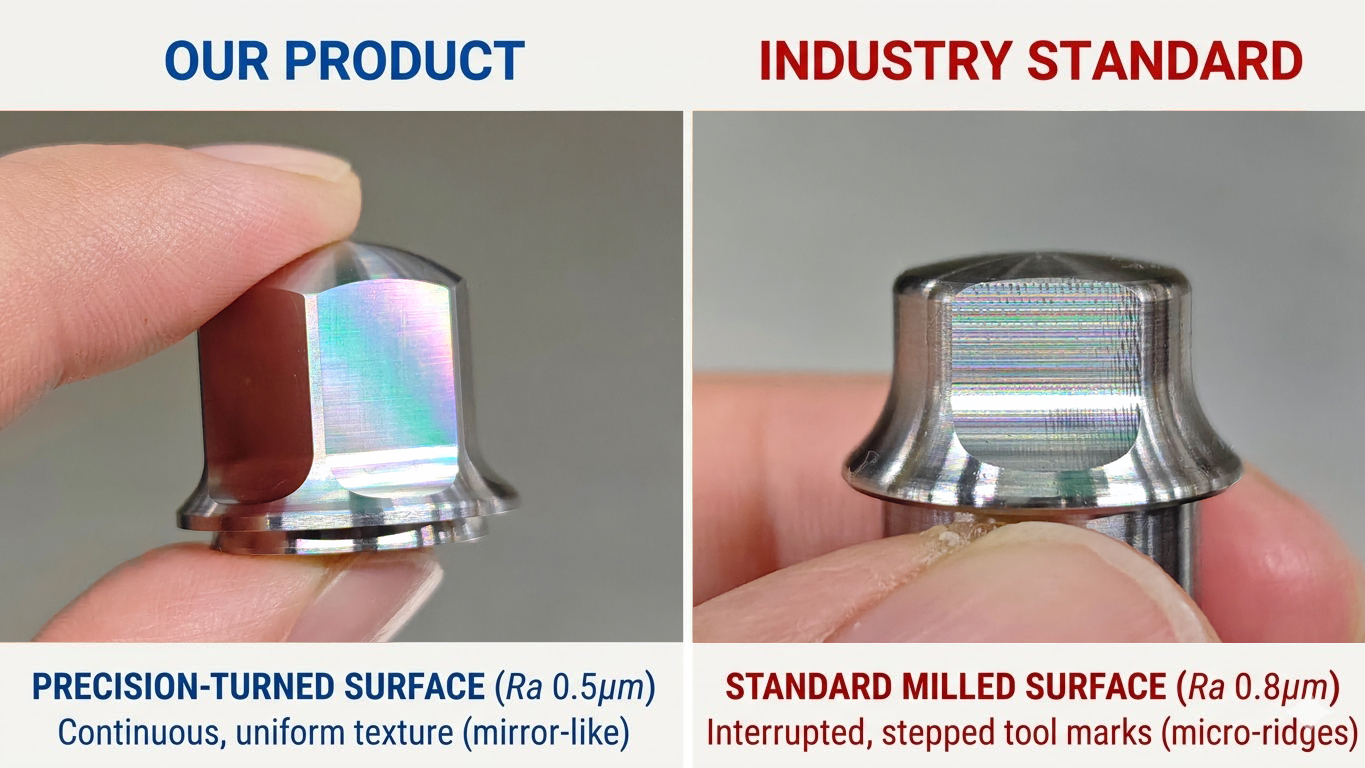
A dead zone is essentially a structural sanctuary for microbes. Traditional industrial components—standard hex nuts with sharp corners, levelling feet with exposed threads, or welded handles with micro-porosity—create pockets where fluid velocity drops to zero.
When cleaning agents cannot reach these crevices with sufficient turbulence, a biofilm begins to form. Once established, these biofilms are incredibly resilient, requiring longer cleaning cycles, higher chemical concentrations, and increased water temperatures to eradicate.
Geometry as a Functional Solution
To eliminate these zones, we must move away from traditional "functional-only" design toward Hygienic Design Geometry. This shift focuses on three critical pillars:
1. Large Radii and Smooth Transitions
Sharp 90-degree internal corners are the enemy of hygiene. Modern hygienic components utilize minimum internal radii (typically R3mm) to ensure that cleaning fluids can sweep across the entire surface without turbulence-free pockets. In parts like hygienic handles, replacing welded joints with seamless bending ensures there are no pits or crevices where bacteria can colonize.
2. Self-Draining Surfaces
Stagnant water is a breeding ground for contamination. Hygienic geometry dictates that all horizontal surfaces must be inclined (usually by at least 3°) to ensure that liquids naturally drain away under gravity. Whether it’s the top of a control cabinet or the head of a specialized bolt, the "domed" or "sloped" shape ensures that no moisture remains after a washdown.
3. Optimized Sealing Transitions
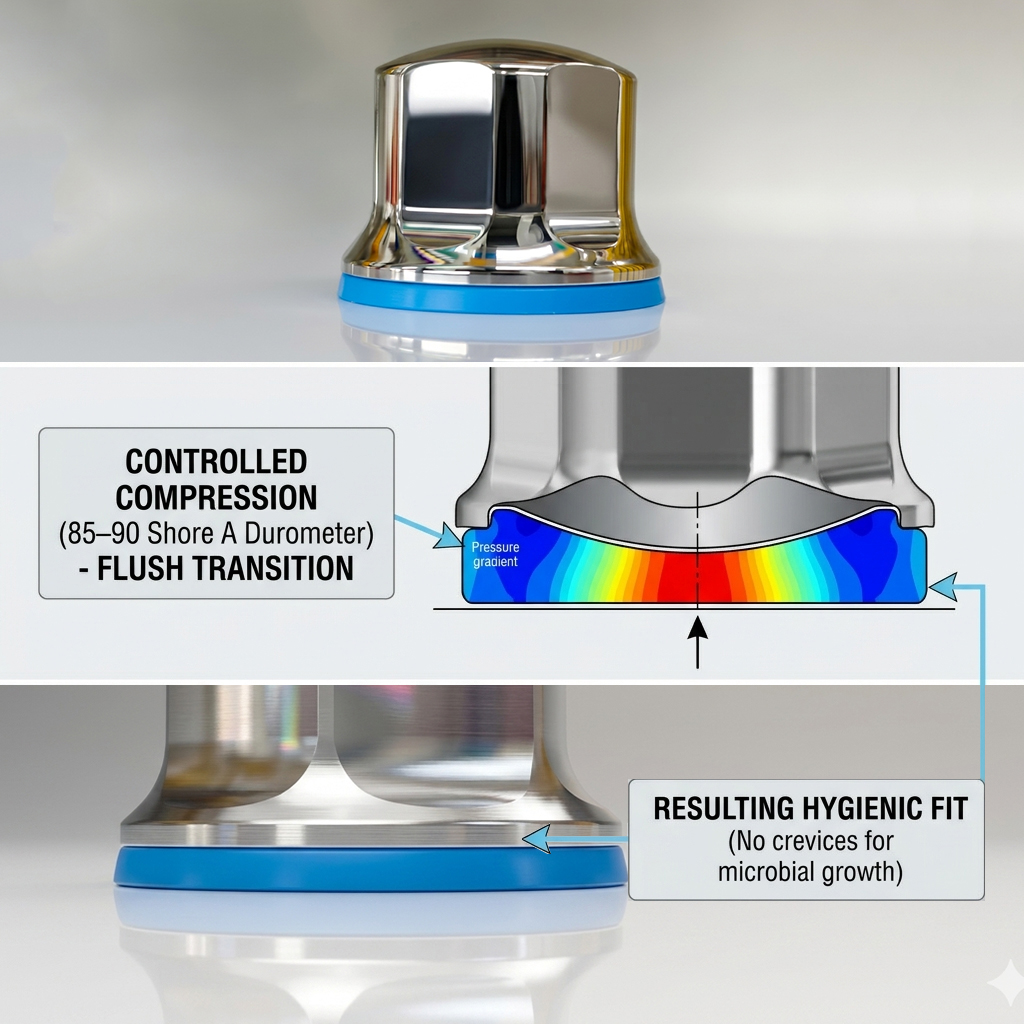
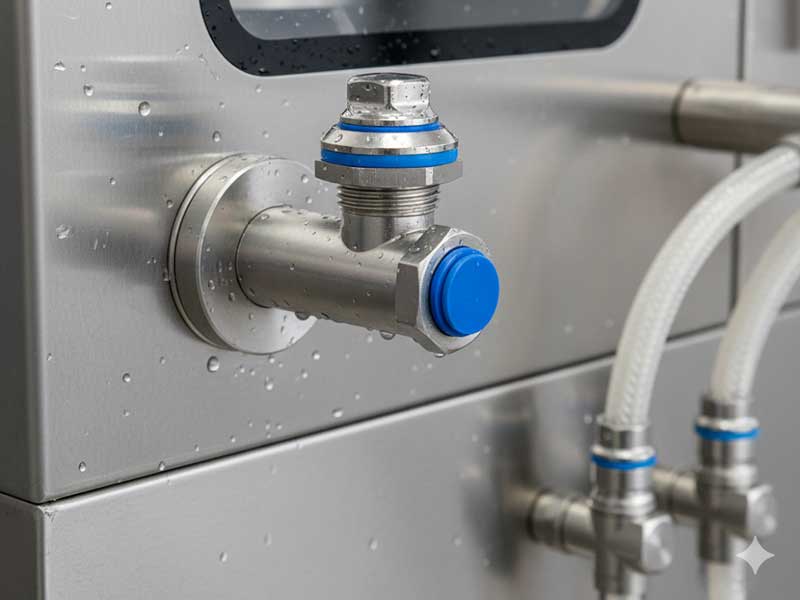
The interface between a metal component and the machine surface is a primary risk area. Traditional gaskets often "creep" or leave gaps. Hygienic components now utilize integrated sealing rings—often made of high-performance materials like HNBR—that are designed to sit flush with the component’s base. This creates a smooth, continuous transition from the part to the machine, effectively "sealing out" the possibility of ingress.
Impact on the Cleaning Cycle (ROI)
When you eliminate dead zones through superior geometry, the impact on the bottom line is immediate and measurable.
- Reduction in Chemical and Water Usage:Since there are no "hidden" areas requiring extra soaking, the volume of cleaning agents required drops significantly.
- Shorter Downtime:Faster cleaning means faster changeovers. In high-output environments, shaving 20 minutes off a cleaning cycle every day translates to hours of regained production time over a month.
- Extended Equipment Life:Reducing the need for aggressive, high-concentration chemicals protects the integrity of seals and stainless steel surfaces over the long term.
Adhering to standards like EHEDG and 3-A is no longer just a regulatory hurdle; it is a competitive advantage. By choosing components where geometry is engineered to assist the cleaning process rather than hinder it, manufacturers can move from a "reactive" cleaning posture to a "proactive" hygienic strategy.
In the modern factory, the best way to clean a dead zone is to ensure it never exists in the first place.